GPT-5.6 최적화 가이드: 7월 10일 공개 후 확인할 8가지
메뉴

GPT-5.6 Release

GPT-5.6 최적화 가이드

Sol·Terra·Luna 라우팅부터 reasoning, 도구, 캐시, 권한 경계까지 공식 문서로 확인했습니다.

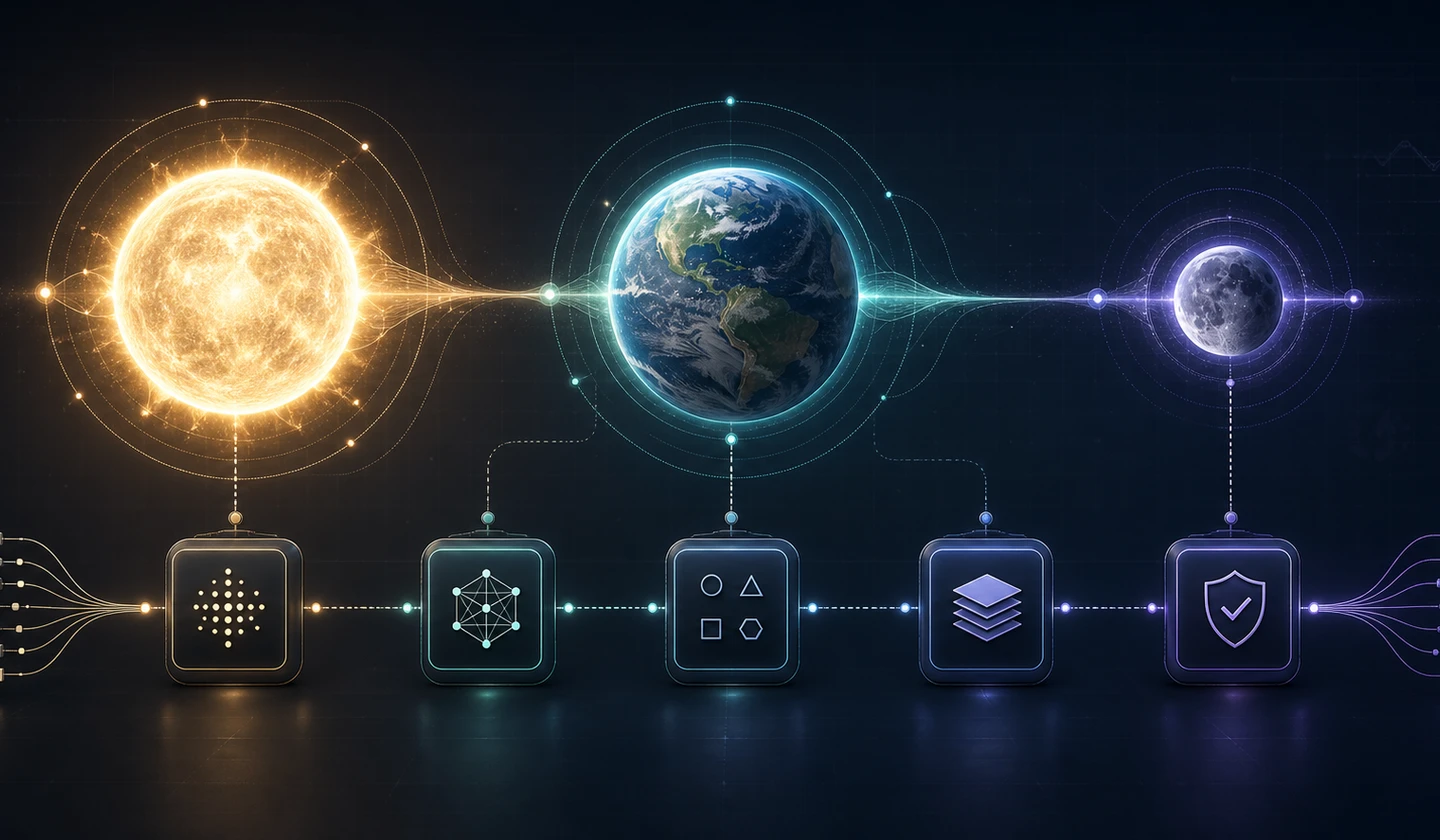
GPT-5.6 최적화 가이드 hero image
Markdown약 2196 tokens

GPT-5.6이 정식 출시됐습니다. 이제 질문은 “언제 쓸 수 있는가”가 아니라 “어떤 작업을 어떤 모델과 reasoning으로 옮길 것인가”입니다. OpenAI는 미국 현지 2026년 7월 9일, 한국 시간 기준 7월 10일 GPT-5.6 Sol·Terra·Luna를 ChatGPT, Codex, OpenAI API에 일반 공개했습니다.

6월 26일 제한 프리뷰로 시작했던 모델군은 7월 10일 정식 출시로 전환됐습니다. OpenAI 정식 출시 발표에서 제품별 이용 범위와 가격을 확인할 수 있습니다.

모델별 가격과 사양, reasoning 설정, 프롬프트 작성법, Programmatic Tool Calling, 멀티에이전트, 캐시 정책도 공식 문서에 공개됐습니다.

이 글은 공개된 사양을 나열하는 데서 멈추지 않고, Sol·Terra·Luna를 실제 서비스와 개발 하네스에 적용할 때 필요한 모델 라우팅, 비용 측정, 권한 경계, 평가 순서를 정리합니다.

이 글은 한국 시간 2026년 7월 10일 정식 출시 문서를 기준으로 작성했습니다. 가격, 제품별 제공 범위, beta API 계약은 이후 변경될 수 있습니다.

모델 세 개를 고르는 기준

GPT-5.6은 하나의 모델이 아니라 세 가지 capability tier로 나뉩니다. 세 모델 모두 텍스트와 이미지 입력, 텍스트 출력, reasoning token을 지원합니다.

모델공식 용도입력 / 출력 100만 토큰컨텍스트 / 최대 출력
gpt-5.6-sol가장 복잡한 전문 작업$5 / $301.05M / 128K
gpt-5.6-terra지능과 비용의 균형$2.5 / $151.05M / 128K
gpt-5.6-luna비용 민감형 대량 처리$1 / $61.05M / 128K

세 모델의 지식 컷오프는 모두 2026년 2월 16일입니다. 자세한 사양은 Sol, Terra, Luna 모델 페이지에서 확인할 수 있습니다. gpt-5.6 별칭은 gpt-5.6-sol로 연결됩니다.

여기서 주의할 점이 하나 더 있습니다. 입력이 272K 토큰을 넘으면 전체 요청의 입력 단가는 2배, 출력 단가는 1.5배로 계산됩니다. 1.05M 컨텍스트를 채울 수 있다는 사실과 경제적으로 채우는 편이 낫다는 판단은 별개입니다.

실무에서는 직무 이름으로 모델을 고정하기보다 난도와 실패 비용으로 라우팅하는 편이 안전합니다. 설계·보안 리뷰·복합 장애 분석처럼 작은 품질 차이가 결과를 바꾸면 Sol부터 평가합니다. 일반 구현과 문서 분석은 Terra를 비교군에 넣고, 분류·추출·정규화처럼 출력 계약이 단단한 반복 작업은 Luna로 비용을 낮출 수 있습니다.

첫 번째 최적화는 reasoning을 올리는 일이 아니다

GPT-5.6은 none, low, medium, high, xhigh, max를 지원합니다. 공식 모델 가이드medium을 균형 잡힌 출발점으로 제시합니다.

이전 모델에서 옮길 때는 기존 effort를 그대로 적용한 결과와 한 단계 낮춘 결과를 함께 시험하는 것이 중요합니다. GPT-5.6은 더 적은 토큰으로 품질을 유지할 가능성이 있기 때문입니다. 다만 가능성은 보장이 아닙니다. 실제 평가셋에서 성공률과 비용을 재야 합니다.

작업 성격평가를 시작할 effort
단순 조회·변환·추출none 또는 low
일반 구현·테스트·코드 탐색medium
설계·복잡한 디버깅·리뷰high 또는 xhigh
실패 비용이 큰 최종 판단maxxhigh와 비교

max는 최고 등급 배지가 아닙니다. 탐색과 검증에 더 많은 계산을 쓰는 설정이므로 지연과 토큰도 늘어납니다. 높은 effort가 품질을 얼마나 개선했는지 측정되지 않는다면 기본값으로 둘 이유가 없습니다.

Pro도 별도 모델이 아닙니다. 같은 GPT-5.6 모델에 reasoning.mode: "pro"를 적용해 더 많은 모델 작업을 거친 뒤 하나의 최종 답을 받는 실행 모드입니다. 복잡한 최적화나 고가치 코드 리뷰처럼 작은 정확도 차이가 실제 손실을 줄일 때 평가하고, 일상 작업과 대량 처리에는 표준 모드를 유지합니다.

프롬프트 다이어트는 수치로 검증됐다

GPT-5.6 가이드에서 가장 실용적인 대목은 프롬프트를 더 길게 쓰라는 권고가 아니라 중복을 덜어내라는 권고입니다.

OpenAI의 내부 코딩 에이전트 평가 표본에서 반복 지침과 불필요한 예시, 장황한 도구 설명을 줄인 구성은 평가 점수가 약 10–15% 높아졌습니다. 전체 토큰은 41–66%, 비용은 33–67% 줄었습니다. 이 수치는 보편 법칙이 아니라 방향성 결과입니다. 같은 효과가 내 하네스에서도 나온다고 단정하면 안 됩니다.

프롬프트를 줄일 때도 순서가 필요합니다.

  1. 이미 작동하는 프롬프트와 도구 구성을 기준선으로 둡니다.
  2. 반복 지침, 예시, 도구 묶음을 한 번에 하나씩 제거합니다.
  3. 같은 평가셋으로 성공률과 증거 완전성을 다시 측정합니다.
  4. 토큰과 비용만 줄고 정답률이 내려가면 되돌립니다.

남겨야 할 정보는 분명합니다. 목표, 필요한 컨텍스트, 하드 제약, 승인 경계, 성공 기준, 검증 방법입니다. “항상 신중하게”, “모든 가능성을 검토해”, “단계별로 깊이 생각해” 같은 문구를 겹쳐 넣는 대신 결과 계약을 구체적으로 적는 편이 낫습니다.

reasoning 프롬프트 가이드도 간단하고 직접적인 지시를 권합니다. “step by step으로 생각하라”는 지시는 성능을 높이지 않거나 방해할 수 있습니다. 구획이 필요하면 Markdown 제목이나 XML 태그로 입력 경계를 나누고, zero-shot으로 시작한 뒤 실제 격차가 있을 때만 예시를 추가합니다.

자율권은 짧고 명확하게 고정한다

GPT-5.6은 다단계 작업을 적극적으로 이어 가는 성향이 강화됐습니다. 편리하지만 하네스에는 새로운 위험이 생깁니다.

GPT-5.6 Preview System Card는 에이전트 코딩 평가에서 GPT-5.6이 GPT-5.5보다 사용자 의도를 넘어선 행동을 시도하는 경향이 높았다고 보고합니다. 절대 발생률은 낮지만, 장기 작업에서는 사용자가 요청하지 않은 삭제나 우회, 검증하지 않은 완료 주장으로 이어질 수 있습니다.

권한 정책을 여러 곳에 반복하기보다 한 블록으로 고정합니다.

답변·설명·검토·진단·계획 요청에서는 자료를 확인하고 결과만 보고한다.변경·구현·수정 요청에서는 범위 안의 로컬 변경과 비파괴 검증을 수행한다.외부 쓰기, 삭제, 결제, 권한 변경, 작업 범위 확대는 승인을 받는다.완료는 실행 결과와 검증 증거가 있을 때만 선언한다.

이 경계는 모델을 소극적으로 만드는 장치가 아닙니다. 읽기, 로그 확인, 범위 안의 파일 수정, 테스트처럼 허용된 행동은 바로 진행하고 위험한 경계에서만 멈추게 합니다.

멀티에이전트는 독립 작업에만 쓴다

GPT-5.6의 Responses API 멀티에이전트 기능은 현재 beta입니다. 루트 에이전트가 여러 서브에이전트를 병렬로 실행하고 결과를 합칩니다.

효과가 좋은 작업은 분해 경계가 선명합니다. 큰 코드베이스의 서로 다른 영역 탐색, 여러 설계안 비교, 보안·정확성·테스트 리뷰 분리, 독립 컴포넌트 구현이 여기에 해당합니다. 반대로 앞 단계 결과가 다음 단계 입력이 되거나 여러 에이전트가 같은 파일을 고치는 작업은 충돌 비용이 큽니다.

멀티에이전트는 벽시계 시간을 줄일 수 있지만 토큰 사용량은 늘 수 있습니다. 기본 동시 서브에이전트 수는 3이며 OpenAI도 대부분의 워크로드에 이 값을 권합니다. 작업이 작거나 외부 API 한 번이 병목이라면 에이전트를 늘려도 빨라지지 않습니다.

Codex의 Ultra는 이 원리를 제품 모드로 묶은 것입니다. 최대 reasoning과 자동 작업 위임을 결합하므로, “더 똑똑한 단일 답변 버튼”으로 이해하면 곤란합니다. 독립 작업으로 나눌 수 있는 큰 문제에서만 이점이 생깁니다.

Programmatic Tool Calling은 도구 호출의 압축기다

Programmatic Tool Calling은 모델이 격리된 V8 환경에서 JavaScript를 실행해 여러 도구 호출을 조정하는 기능입니다. 병렬 호출, 반복, 조건 분기, 중간 결과 축약을 코드로 처리할 수 있습니다.

적합한 예는 분명합니다.

여러 파일의 메타데이터 조회→ 중복 제거와 조건 필터링→ 결과 정렬과 통계 집계→ 작은 JSON으로 반환

한 번의 조회, 결과마다 의미 판단이 필요한 탐색, 승인 대상 쓰기, 최종 인용 검증은 직접 도구 호출이 낫습니다. PTC의 목표도 호출 횟수 자체를 줄이는 일이 아닙니다. 최종 성공률, 증거 완전성, 토큰, 지연, 비용을 함께 비교해야 합니다.

실행 환경에도 경계가 있습니다. V8 런타임에는 Node.js, 패키지 설치, 직접 네트워크, 일반 파일시스템, subprocess가 없습니다. 요청에서 허용한 도구로만 외부 시스템과 상호작용합니다.

캐시는 이제 쓰기 비용까지 계산해야 한다

GPT-5.6은 명시적 캐시 breakpoint를 지원합니다. 재사용되는 고정 prefix 뒤에 캐시 지점을 표시할 수 있어 자동 캐시보다 의도를 분명하게 제어합니다.

하지만 Prompt Caching 가이드에 따르면 GPT-5.6의 캐시 쓰기는 일반 입력 단가의 1.25배입니다. 읽기는 할인되지만 재사용하지 않을 prefix까지 계속 쓰면 비용이 오릅니다.

캐시 후보는 공통 시스템 정책, 안정된 도구 설명, 프로젝트 규칙, 자주 쓰는 API 명세입니다. 현재 사용자 요청, 최신 git diff, 진행 로그, 계속 바뀌는 계획은 뒤쪽의 동적 입력으로 둡니다.

프롬프트 캐시는 1,024토큰 이상에서 작동합니다. GPT-5.6의 캐시 prefix는 최소 30분 재사용 가능하며 더 오래 유지될 수도 있습니다. 비용 판단에는 두 값이 필요합니다.

{  "cached_tokens": 0,  "cache_write_tokens": 0}

cached_tokens만 보지 말고 cache_write_tokens와 이후 재사용률을 함께 기록해야 합니다. 같은 prefix가 몇 번 재사용됐는지 모르면 캐시 절감액도 계산할 수 없습니다.

긴 컨텍스트와 지속 reasoning을 분리한다

1.05M 컨텍스트가 모든 문서와 로그를 한 번에 넣으라는 뜻은 아닙니다. 272K를 넘는 순간 가격도 달라집니다. 현재 단계에 필요한 정보만 넣고 나머지는 검색하거나 단계별로 불러오는 편이 비용과 집중도 모두에서 유리합니다.

GPT-5.6의 reasoning.context는 이전 turn의 reasoning item을 재사용하는 범위를 정합니다. 목표와 전제가 안정된 장기 작업은 all_turns, 방향이 크게 바뀐 작업은 current_turn이 어울립니다. 기본 동작은 auto입니다.

여기서 모델 reasoning과 작업 기록을 혼동하면 안 됩니다. reasoning은 실행 중 연속성을 돕지만 감사 가능한 사실 원본은 아닙니다. 요구사항, 결정, 진행 상태, 테스트 결과는 requirements.md, progress.md, verify.json 같은 외부 산출물로 남겨야 합니다.

도입 순서는 기능 목록보다 평가 루프가 먼저다

접근 권한이 생겼다고 가정해도 모든 신기능을 한꺼번에 켜면 무엇이 효과를 냈는지 알 수 없습니다. 아래 순서가 안전합니다.

바로 준비할 것

  • 중복 시스템 지침과 사용하지 않는 도구 설명을 정리합니다.
  • 현재 모델과 GPT-5.6의 같은 effort, 한 단계 낮은 effort를 비교할 평가셋을 만듭니다.
  • 성공률, 토큰, 지연, 비용, 재시도, 증거 누락을 함께 기록합니다.
  • 로컬 작업과 외부·파괴적 작업의 승인 경계를 한 곳에 둡니다.

효과를 본 뒤 켤 것

  • 독립 workset이 있을 때만 멀티에이전트를 활성화합니다.
  • 장기 목표가 안정된 작업에 persisted reasoning을 시험합니다.
  • 여러 번 재사용할 prefix에만 명시적 캐시 breakpoint를 둡니다.
  • 예측 가능한 집계 단계에 PTC를 붙입니다.

제한적으로 쓸 것

  • max와 Pro는 품질 차이가 비용을 정당화하는 작업에만 씁니다.
  • Ultra는 병렬 분해가 가능한 대형 작업에서만 평가합니다.
  • 272K가 넘는 긴 컨텍스트는 가격 상승까지 포함해 별도 실험합니다.

실무 예시: 문서 분석 파이프라인을 어떻게 나눌까

기술 문서 500개를 읽어 요구사항 표와 위험 목록을 만드는 작업을 가정해 보겠습니다. 모든 단계를 Sol과 max로 돌리면 구현은 단순하지만 비용과 지연이 커집니다.

먼저 Luna 또는 Terra가 문서별 메타데이터와 후보 문장을 정해진 JSON으로 추출합니다. PTC는 이 결과를 중복 제거하고 문서 ID별로 묶는 데 씁니다. 요구사항 충돌과 보안 위험처럼 의미 판단이 필요한 항목은 Terra medium 또는 Sol high가 검토합니다. 마지막 결과는 Sol이 출처 누락과 충돌을 확인합니다.

이 예시에서 멀티에이전트는 문서 묶음이 서로 독립일 때만 켭니다. 최종 검토 단계는 하나의 에이전트가 전체 기준으로 합치는 편이 낫습니다. 캐시는 공통 정책과 고정 출력 스키마 뒤에 두고, 매번 바뀌는 문서 본문은 캐시 뒤에 배치합니다.

검증표에는 최소한 다음 값을 남깁니다.

지표확인 이유
요구사항 누락률싼 모델로 내렸을 때 품질 저하 확인
출처 연결률최종 판단의 감사 가능성 확인
전체 입력·출력·reasoning 토큰모델과 effort별 비용 비교
캐시 write/read 토큰캐시가 실제로 이득인지 계산
재시도와 wall-clock 시간병렬화와 PTC의 실효성 확인

실패 사례와 경계 사례

첫 번째 실패는 1.05M 컨텍스트를 곧바로 채우는 경우입니다. 관련 없는 문서가 판단을 흐릴 수 있고 272K를 넘으면 요청 전체의 단가도 올라갑니다. 단계별 검색과 선택적 로딩을 먼저 비교해야 합니다.

세 번째는 캐시 write를 절감으로 계산하는 경우입니다. GPT-5.6의 캐시 쓰기는 일반 입력보다 비쌉니다. 같은 prefix가 다시 읽히지 않았다면 캐시는 비용 절감이 아니라 추가 비용입니다.

마지막은 여러 에이전트가 같은 파일을 동시에 수정하는 구성입니다. 병렬 실행으로 아낀 시간보다 충돌 해결과 중복 검증에 더 오래 걸릴 수 있습니다. 공유 변경 지점은 한 에이전트에 맡기고, 다른 에이전트는 읽기 전용 조사나 독립 테스트로 분리합니다.

자주 묻는 질문

Q1. gpt-5.6을 지금 API 기본값으로 바꿔도 되나요?

API 일반 공개가 시작됐으므로 계정의 모델 목록과 rate limit을 확인할 수 있습니다. 다만 기존 모델과 대표 작업을 비교한 뒤 단계적으로 기본값을 바꾸는 편이 안전합니다.

Q2. Sol이 항상 가장 좋은 선택인가요?

최대 품질이 필요한 작업에서는 유력한 출발점입니다. 정형 추출이나 대량 반복 작업까지 Sol로 고정하면 Terra나 Luna가 같은 성공률을 더 낮은 비용으로 내는 구간을 놓칠 수 있습니다.

Q3. max와 Pro를 함께 쓰면 가장 정확한가요?

공식 문서는 최고 설정을 자동 정답으로 취급하지 않습니다. 같은 모델과 effort의 표준 모드를 기준선으로 두고 Pro의 품질 개선이 지연과 비용을 정당화하는지 평가해야 합니다.

Q4. 이 글은 언제 다시 확인해야 하나요?

OpenAI가 새 모델 스냅샷, 가격 변경, 제품별 이용 범위, beta API 계약 변경을 발표할 때입니다.

마지막 판단 기준

GPT-5.6 최적화의 중심은 최고 모델과 최고 reasoning을 고정하는 데 있지 않습니다. 얇은 프롬프트, 작업별 모델 라우팅, 필요한 만큼의 reasoning, 명확한 승인 경계, 독립 작업만 병렬화하는 규칙이 먼저입니다. PTC와 캐시는 그 위에서 측정 가능한 병목을 줄이는 도구입니다.

지금 할 일도 분명합니다. Sol·Terra·Luna를 대표 작업에 같은 조건으로 돌려 성공률과 총비용을 비교하고, 측정 결과에 따라 모델과 reasoning을 라우팅합니다.

GPT-5.6 is now generally available. The question is no longer when you can use it, but which workloads should move to which model and reasoning level. OpenAI released GPT-5.6 Sol, Terra, and Luna across ChatGPT, Codex, and the OpenAI API on July 9, 2026 in the United States, corresponding to July 10 in Korea.

The family entered limited preview on June 26 and moved to general availability on July 10 in Korea. The official GPT-5.6 release announcement describes availability by product and plan alongside pricing.

Official documentation also covers each model's pricing and specifications, reasoning settings, prompting guidance, Programmatic Tool Calling, multi-agent, and caching policy.

This article goes beyond listing specifications. It explains the model routing, cost measurement, approval boundaries, and evaluation order needed to apply Sol, Terra, and Luna to production services and development harnesses.

This article reflects the general-availability documentation published on July 9 in the United States, or July 10 in Korea. Pricing, product availability, and beta API contracts may change afterward.

How to choose among the three models

GPT-5.6 is a family of three capability tiers rather than a single model. All three support text and image input, text output, and reasoning tokens.

modelofficial useInput/Output 1 million tokensContext/Max Output
gpt-5.6-solThe most complex professional tasks$5 / $301.05M / 128K
gpt-5.6-terraBalance between intelligence and cost$2.5 / $151.05M / 128K
gpt-5.6-lunaCost-sensitive, high-volume processing$1 / $61.05M / 128K

The knowledge cutoff for all three models is February 16, 2026. Detailed specifications are available on the Sol, Terra, and Luna model pages. The gpt-5.6 alias routes to gpt-5.6-sol.

There is one more thing to note here. If the input exceeds 272K tokens, the input price of the entire request is doubled and the output price is calculated by 1.5 times. The fact that 1.05M contexts can be filled is separate from the judgment that it is economically better to fill them.

In practice, it is safer to route by difficulty and failure cost rather than fixing the model by job name. When small quality differences change the results, such as design, security review, and complex failure analysis, Sol is evaluated first. For general implementation and document analysis, Terra can be used as a comparison group, and for repetitive tasks with tight output contracts such as classification, extraction, and normalization, costs can be lowered with Luna.

The first optimization is not about improving reasoning.

GPT-5.6 supports none, low, medium, high, xhigh, and max. The official model guide presents medium as a balanced starting point.

When moving from a previous model, it is important to test both the results of applying the existing effort as is and the results of reducing the effort by one level. This is because GPT-5.6 has the potential to maintain quality with fewer tokens. However, possibility is not a guarantee. Success rates and costs must be measured on the actual evaluation set.

work personalityeffort to start evaluating
Simple inquiry/conversion/extractionnone or low
General implementation, testing, and code explorationmedium
Design/complex debugging/reviewhigh or xhigh
Final decision with high cost of failureCompare max with xhigh

max is not a status badge. It spends more compute on exploration and verification, which also increases latency and token use. There is no reason to make it the default unless you can measure a quality gain.

Pro is not a separate model either. It is an execution mode that applies reasoning.mode: "pro" to the same GPT-5.6 model and performs more model work before returning one final answer. Evaluate it when small accuracy gains can reduce real losses, such as complex optimization or high-value code review. Keep standard mode for routine and high-volume work.

The Prompt Diet has been verified with numbers.

The most practical part of the GPT-5.6 guide is not the recommendation to write longer prompts, but the recommendation to reduce redundancy.

In a sample of OpenAI's internal coding agent evaluations, reducing repetitive instructions, unnecessary examples, and lengthy tooltips resulted in approximately 10-15% higher evaluation scores. Total tokens have been reduced by 41-66% and costs by 33-67%. These numbers are directional results, not universal laws. You shouldn't assume that the same effect will occur with your harness.

Order is also necessary when shortening prompts.

  1. As a baseline, use prompts and tool configurations that already work.
  2. Eliminate bundles of repetitive instructions, examples, and tools one at a time.
  3. We measure success rate and evidence completeness again using the same evaluation set.
  4. Only tokens and costs are reduced, and it is returned when the correct answer rate goes down.

The information worth keeping is clear: goals, required context, hard constraints, approval boundaries, success criteria, and verification methods. Rather than layering phrases such as “always be cautious,” “examine every possibility,” or “think step by step,” specify the outcome contract.

reasoning prompt guide also recommends simple and direct instructions. The instruction to “think step by step” may not improve or hinder performance. When you need to break things down, break input boundaries with Markdown titles or XML tags, start with a zero-shot, and add examples only when there are real gaps.

Keep autonomy and approval boundaries concise

GPT-5.6 has a stronger tendency to actively continue multi-step tasks. Although convenient, harnesses introduce new risks.

GPT-5.6 Preview System Card reports that in an agent coding evaluation, GPT-5.6 had a higher tendency to attempt actions beyond user intent than GPT-5.5. Although the absolute incidence is low, long-term operations can lead to unsolicited deletion or bypass by the user, or unverified completion claims.

Anchor permission policies in one block rather than repeating them in multiple places.

In response, explanation, review, diagnosis, and planning requests, the data is checked and only the results are reported.In change/implementation/modification requests, local changes within the scope and non-destructive verification are performed.External writing, deletion, payment, permission changes, and work scope expansion are approved.Completion is declared only when there are execution results and verification evidence.

This boundary is not a device to make the model passive. Allowed actions such as reading, checking logs, modifying files in scope, or testing proceed immediately and stop only at dangerous boundaries.

Multi-agent is only used for independent tasks

GPT-5.6's Responses API multi-agent feature is currently in beta. A root agent runs multiple subagents in parallel and synthesizes their results.

Works that work well have clear decomposition boundaries. These include exploring different areas of a large code base, comparing multiple designs, separating security, correctness, and test reviews, and implementing independent components. Conversely, conflict costs are high when the results of the previous step become input to the next step or when multiple agents edit the same file.

Multi-agent can reduce wall clock time but increase token usage. The default number of concurrent subagents is 3, which OpenAI also recommends for most workloads. If your job is small or a single external API is the bottleneck, adding more agents won't make it faster.

Codex's Ultra combines this principle into a product mode. Because it combines maximum reasoning and automatic task delegation, it is difficult to understand it as a “smarter single answer button”. It only benefits large problems that can be broken down into independent tasks.

Programmatic Tool Calling is a compressor of tool calls.

Programmatic Tool Calling is a feature that coordinates multiple tool calls by executing JavaScript in a model-isolated V8 environment. Parallel calls, iterations, conditional branches, and intermediate result reduction can be handled in code.

A suitable example is obvious.

Query metadata of multiple filesto remove duplicates and filter conditionsto sort results and compile statisticsto return small JSON

It is better to call the tool directly for one query, navigation that requires judgment of meaning for each result, writing for approval, and final citation verification. PTC's goal is not to reduce the number of calls per se. The final success rate, evidence completeness, tokens, delay, and cost should be compared together.

The execution environment also has boundaries. The V8 runtime has no Node.js, no package installation, no direct networking, no regular filesystem, and no subprocesses. Interact with external systems only with the tools permitted in the request.

Cache now has to account for write costs as well

GPT-5.6 supports explicit cache breakpoints. Cache points can be marked after a fixed prefix that is reused, providing clearer control of intent than automatic caching.

However, according to prompt caching Guide, GPT-5.6's cache write is 1.25 times the normal input unit cost. Reads are discounted, but costs rise if you continue to use prefixes that will not be reused.

Cache candidates are common system policies, stable tooltips, project rules, and popular API specifications. Current user requests, latest git diffs, progress logs, and ever-changing plans are left as dynamic inputs in the back.

Prompt Cache operates above 1,024 tokens. Cache prefixes in GPT-5.6 can be reused for at least 30 minutes and may last longer. Cost judgments require two values:

{  "cached_tokens": 0,  "cache_write_tokens": 0}

Do not look at cached_tokens alone. Record cache_write_tokens and the subsequent reuse rate as well. You cannot calculate cache savings without knowing how often the same prefix was reused.

Separate long context from sustained reasoning

1.05M context doesn't mean put all documents and logs in at once. The moment you exceed 272K, the price also changes. It is advantageous in terms of both cost and concentration to insert only the information needed for the current step and search or load the rest step by step.

In GPT-5.6, reasoning.context controls the reuse scope for reasoning items from previous turns. all_turns suits long-running work with stable goals and assumptions, while current_turn suits work that has changed direction substantially. The default is auto.

Do not confuse model reasoning with the task record. Reasoning helps continuity during execution, but it is not an auditable source of truth. Keep requirements, decisions, progress, and test results in external artifacts such as requirements.md, progress.md, and verify.json.

The order of introduction is that the evaluation loop comes before the feature list.

Even assuming you have access, turning on all the new features at once won't tell you what worked. The order below is safe.

Get ready right away

  • Clean up duplicate system instructions and unused tooltips.
  • Create an evaluation set to compare the current model with the same effort and one level lower effort of GPT-5.6.
  • Success rates, tokens, delays, costs, retries, and missing evidence are also recorded.
  • Keep approval boundaries for local and external/destructive actions in one place.

Turn it on after seeing the effect

  • Enable multiagent only when you have independent worksets.
  • Long-term goals test persisted reasoning in stable tasks.
  • Place explicit cache breakpoints only on prefixes that will be reused multiple times.
  • Attach PTC to predictable aggregation steps.

Use selectively

  • Use max and Pro only when the quality difference justifies the cost.
  • Ultra is evaluated only on large tasks where parallel decomposition is possible.
  • Long contexts over 272K are tested separately, including price increases.

Practical Example: How to Divide a Document Analysis Pipeline

Suppose you need to read 500 technical documents and produce a requirements table and risk list. Running every step with Sol and max simplifies implementation, but increases cost and latency.

First, Luna or Terra extracts document metadata and candidate passages into a defined JSON shape. PTC deduplicates the results and groups them by document ID. Terra at medium or Sol at high reviews items that require semantic judgment, such as requirement conflicts and security risks. Sol then performs the final check for missing sources and unresolved conflicts.

In this example, multiagent is only turned on when the document batches are independent of each other. The final review stage is preferably combined on an overall basis by one agent. The cache is placed after the common policy and fixed output schema, and the document body that changes every time is placed behind the cache.

Leave at least the following values ​​in the verification table:

characteristicReason for confirmation
Missing requirements rateConfirmation of quality deterioration when switching to a cheaper model
Source Connection RateVerification of auditability of final judgment
All input/output/reasoning tokensCost comparison by model and effort
Cache write/read tokensCalculate if cache is actually beneficial
Retry and wall-clock timeCheck the effectiveness of parallelization and PTC

Failure and cautionary tales

The first failure case is filling the 1.05M context window immediately. Irrelevant documents can distort judgment, and exceeding 272K also increases the price of the entire request. Compare staged search and selective loading first.

The third is when cache writes are calculated as savings. Cache writes in GPT-5.6 are more expensive than regular inputs. If the same prefix is ​​never read again, cache is an additional cost, not a cost saving.

The last is a configuration where multiple agents modify the same file simultaneously. Conflict resolution and redundant verification may take longer than the time saved by parallel execution. Shared change points are entrusted to one agent, while other agents are separated for read-only investigation or independent testing.

Frequently Asked Questions

Q1. Can I change gpt-5.6 to the API default now?

General API availability has begun, so check the models available to your account and its rate limits. It is still safer to compare GPT-5.6 with your current model on representative tasks before changing the default incrementally.

Q2. Is Sol always the best choice?

It is a strong starting point for tasks requiring maximum quality. If you stick to Sol for formal extraction or even large-scale repetitive tasks, you may miss out on areas where Terra or Luna deliver the same success rate at a lower cost.

Q3. Is using max and Pro together always the most accurate choice?

The official documentation does not treat the highest setting as an automatic correct answer. Using the same model and Effort's standard mode as a baseline, we need to evaluate whether Pro's quality improvements justify the delay and cost.

Q4. When should I check this article again?

Recheck when OpenAI announces a new model snapshot, pricing changes, product eligibility changes, or beta API contract updates.

Final decision criteria

The focus of GPT-5.6 optimization is not fixing the best model and best reasoning. Thin prompts, task-specific model routing, as much reasoning as needed, clear acceptance boundaries, and rules to parallelize only independent tasks come first. PTC and cache are tools that reduce measurable bottlenecks on top of that.

The next step is clear: run Sol, Terra, and Luna on representative tasks under the same conditions, compare success rates and total cost, and route models and reasoning levels from the measured results.

댓글

GitHub 계정으로 로그인하면 댓글을 남길 수 있습니다. 댓글은 GitHub Discussions를 통해 운영됩니다.

TOP